Virtual Reality (VR) and Augmented Reality (AR) technologies are revolutionizing the fashion industry, offering immersive experiences that bridge the gap between the physical and digital worlds. In this blog post, we will explore the impact of Virtual Reality and Augmented Reality on fashion marketing and how these technologies are reshaping the way brands engage with consumers.
1. Enhanced Virtual Try-On Experiences:
Virtual Reality and Augmented Reality have transformed the way consumers try on clothes and accessories. With VR and AR applications, consumers can virtually try on garments, visualize how they would look on their own bodies, and make more informed purchasing decisions. This immersive and interactive experience eliminates the need for physical try-ons, reducing returns and improving customer satisfaction.
2. Virtual Fashion Shows and Runway Experiences:
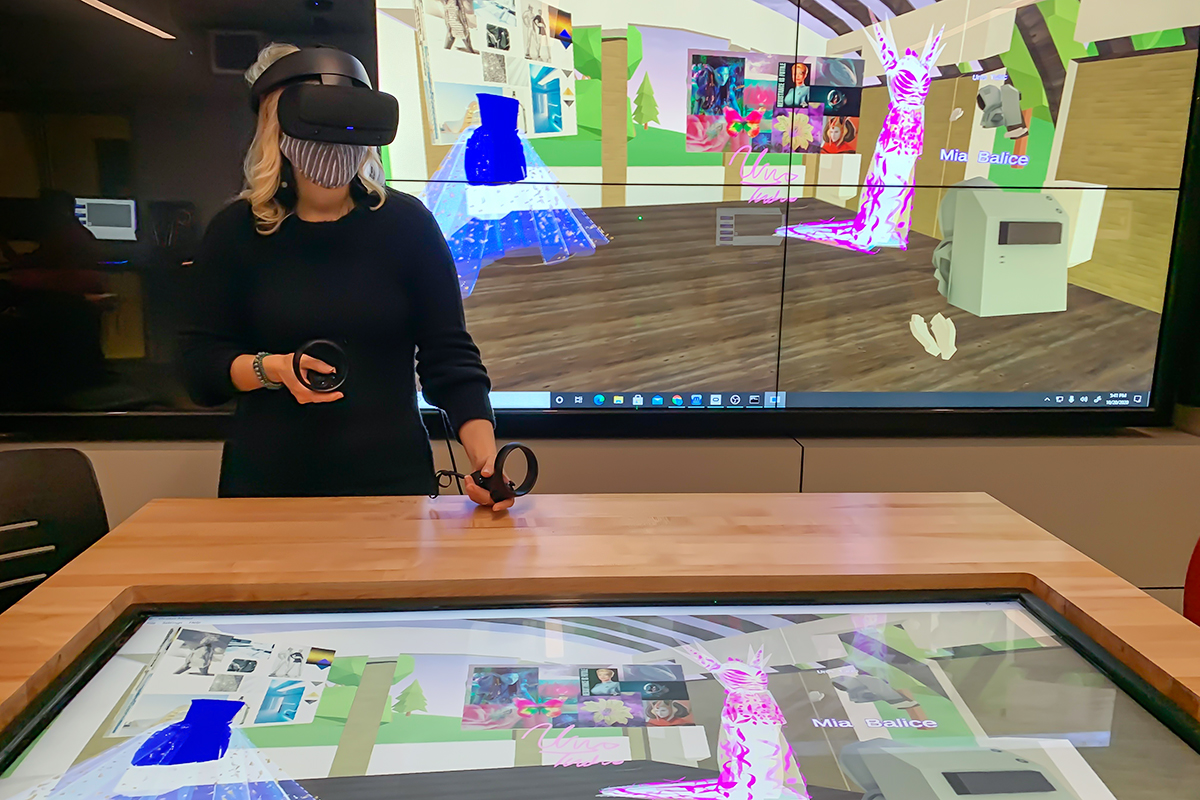
Fashion brands are utilizing VR and AR to create innovative and engaging virtual fashion shows and runway experiences. These digital showcases allow viewers to experience fashion events in real-time, regardless of their geographical location. Users can explore 360-degree views of the runway, get up-close with the garments, and even interact with virtual models, enhancing the overall fashion show experience.
3. Virtual Retail Spaces and Showrooms:
VR and AR technologies enable fashion brands to create virtual retail spaces and showrooms, providing customers with a unique and immersive shopping experience. Consumers can browse through virtual racks of clothing, visualize how different outfits would look on them, and even make virtual purchases. These virtual environments break down geographical barriers and provide access to a wide range of products and collections.
4. Interactive Product Visualization:
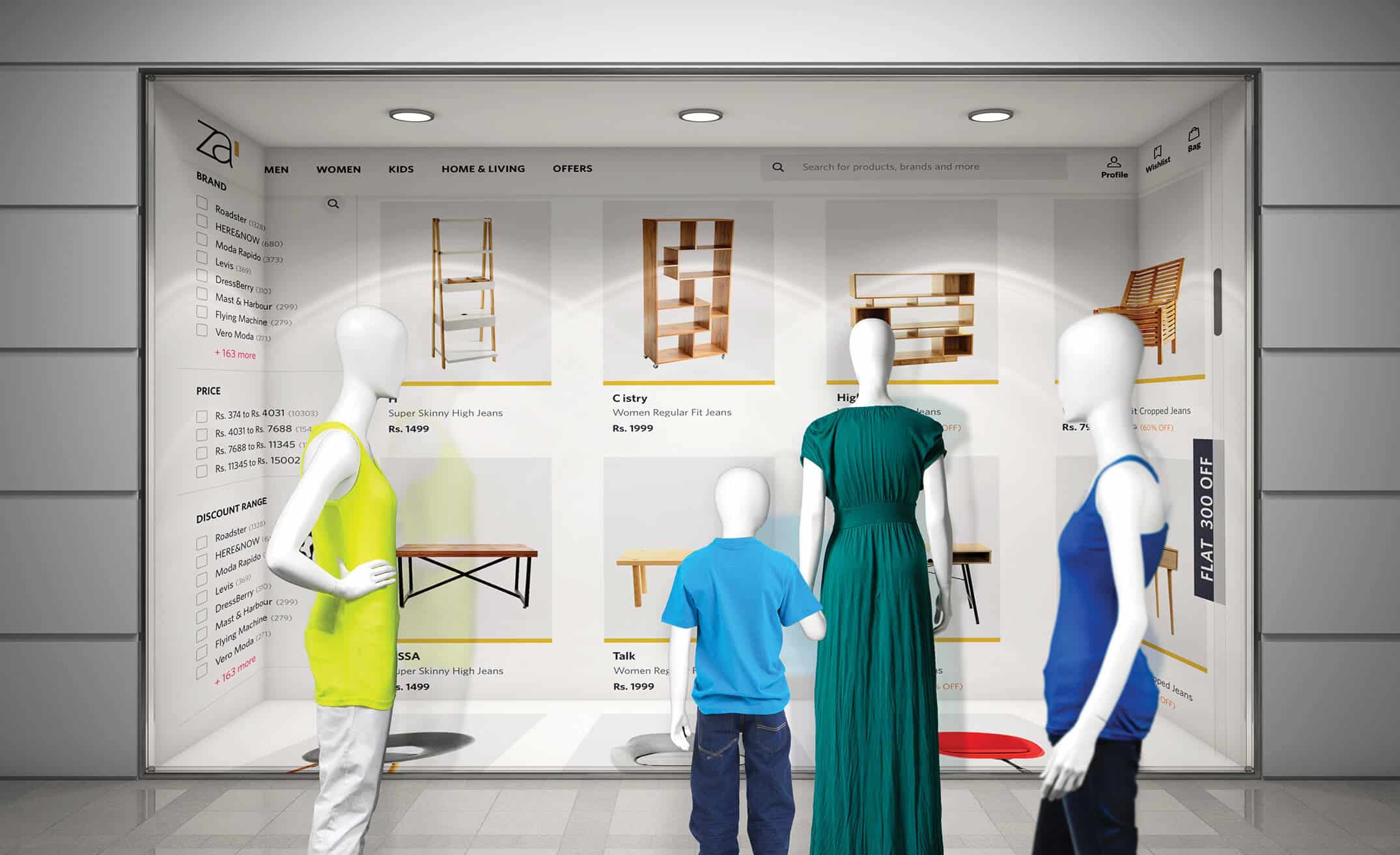
Virtual Reality and Augmented Reality offer interactive product visualization that enhances the understanding and appreciation of fashion items. Consumers can explore intricate details, materials, and patterns of garments through 3D models or augmented overlays. This technology helps consumers make more informed purchase decisions, as they can fully examine the product before buying.
5. Brand Storytelling and Engagement:
VR and AR provide opportunities for fashion brands to tell compelling stories and engage with their audience in a more immersive and memorable way. Brands can create interactive experiences that showcase their heritage, craftsmanship, and sustainability efforts, allowing consumers to connect with the brand on a deeper level. This form of brand storytelling enhances brand loyalty and creates a unique brand experience.
Final Thoughts:
Virtual Reality and Augmented Reality technologies have significantly impacted fashion marketing by offering immersive and interactive experiences. From virtual try-ons to virtual fashion shows and interactive retail spaces, these technologies have transformed the way consumers engage with fashion brands. As VR and AR continue to evolve, fashion marketers must embrace these technologies to stay ahead of the curve, offering consumers innovative and personalized experiences that bridge the gap between the physical and digital realms of fashion.

I had an experience of buying few things with AR and it was wonderful experience
ReplyDeleteGood read
ReplyDeleteThis industry really is stepping up their game with VR and AR
ReplyDelete