In the competitive world of fashion marketing, personalization has become a key strategy for brands to connect with their target audience on a deeper level. By tailoring experiences to individual preferences and needs, fashion brands can enhance customer satisfaction, build brand loyalty, and drive business growth. In this blog post, we will explore the significance of personalization in fashion marketing and discuss how it shapes the way brands engage with consumers.
1. Understanding the Power of Personalization:
Personalization in fashion marketing goes beyond addressing customers by their names. It involves customizing marketing efforts based on individual preferences, demographics, and purchasing behavior. By collecting and analyzing customer data, brands can gain valuable insights that enable them to create tailored experiences and deliver relevant content to consumers.
2. Personalized Product Recommendations:
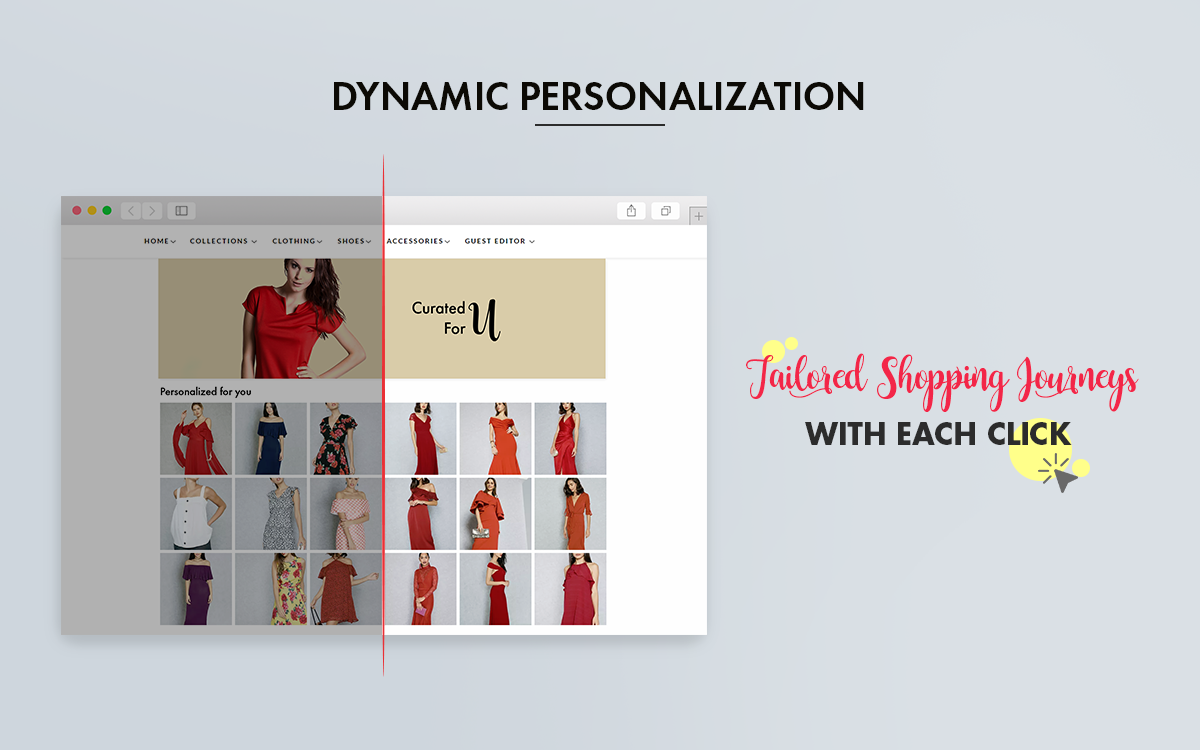
Fashion brands leverage personalization techniques to provide tailored product recommendations to consumers. By utilizing data on past purchases, browsing history, and preferences, brands can suggest products that align with a customer's style, size, and taste. This not only enhances the shopping experience but also increases the likelihood of conversions and repeat purchases.
3. Customized Email Marketing:
Email marketing is a powerful tool for fashion brands to communicate with their customers. Personalization in email marketing involves segmenting the audience based on demographics, purchase history, and engagement levels. Brands can create personalized email campaigns that deliver relevant content, exclusive offers, and recommendations tailored to the recipient's preferences.
4. Personalized Customer Experiences:
Personalization extends beyond product recommendations and email marketing. Fashion brands can create personalized customer experiences through various touchpoints. This includes personalized website experiences, where users see content based on their interests and browsing behavior. Brands can also offer personalized styling advice, customer service, and loyalty programs tailored to individual needs.
5. Utilizing Artificial Intelligence (AI) and Machine Learning:
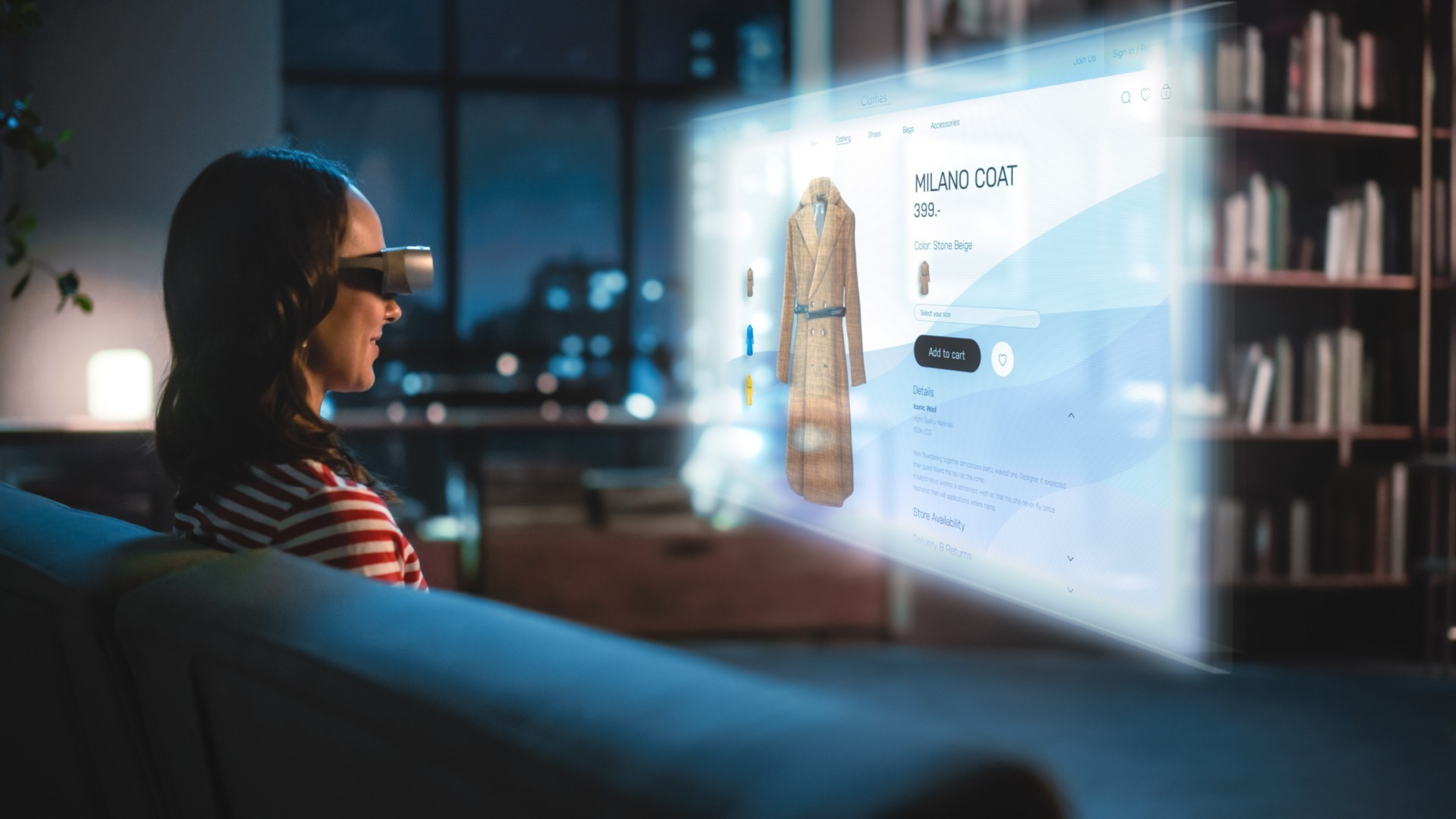
Artificial Intelligence and Machine Learning technologies have transformed the personalization landscape in fashion marketing. These technologies can analyze vast amounts of data to identify patterns, predict consumer preferences, and offer personalized recommendations in real-time. AI-powered chatbots and virtual stylists also enable brands to provide personalized assistance and recommendations to customers.
Final Thoughts:
Personalization has become a fundamental strategy in fashion marketing, allowing brands to tailor experiences, product recommendations, and customer interactions to individual preferences. By utilizing customer data, leveraging technology, and embracing personalized marketing techniques, fashion brands can forge stronger connections with consumers, enhance customer satisfaction, and drive business growth. In a competitive industry, personalization is the key to standing out and creating meaningful relationships with customers in an increasingly digital world.

Perfectly written article
ReplyDeleteGood insight
ReplyDeleteIndeed no doubt about that
ReplyDeleteinformative
ReplyDeleteyour content is always up to mark.
ReplyDeleteThis comment has been removed by the author.
ReplyDelete