Social media has become an integral part of our daily lives, connecting people from all corners of the world. While it has brought many benefits, it's important to recognize the impact social media can have on mental health. In this blog post, we will explore the various ways in which social media affects mental well-being and discuss strategies for maintaining a healthy relationship with these platforms.
1. Comparisons and Self-Esteem:
Social media platforms often present an idealized version of people's lives, leading to social comparisons. Constant exposure to carefully curated posts and images can negatively affect self-esteem, as individuals may compare their own lives to the seemingly perfect lives of others. This can lead to feelings of inadequacy and dissatisfaction.
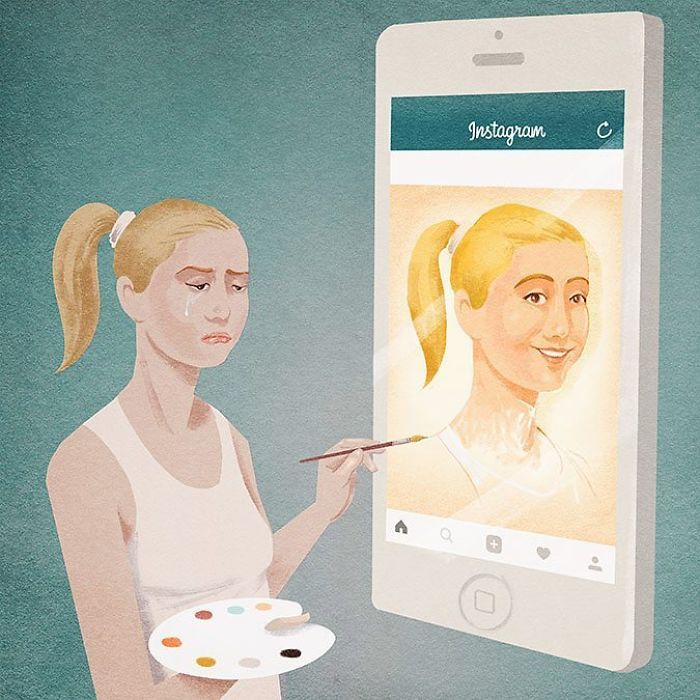
2. Fear of Missing Out (FOMO):
Social media platforms have popularized the Fear of Missing Out (FOMO) phenomenon. Seeing friends or acquaintances engaging in exciting activities or events can trigger feelings of exclusion and anxiety. The fear of missing out on social gatherings or experiences depicted on social media can have a detrimental impact on mental well-being.
3. Cyberbullying and Online Harassment:
Social media platforms can be breeding grounds for cyberbullying and online harassment. The anonymity provided by the digital realm can embolden individuals to engage in hurtful behavior, leading to emotional distress, anxiety, and depression. It is essential to address and combat these negative aspects of social media to protect users' mental health.
4. Addiction and Time Consumption:
Excessive use of social media can lead to addiction and a loss of valuable time. Constant scrolling and the need for validation through likes and comments can create a cycle of dependency, adversely affecting productivity, relationships, and overall mental well-being.

5. Strategies for a Healthy Relationship with Social Media:
a. Set boundaries:
Establish specific time limits for social media usage and create technology-free zones or periods in your daily routine.
b. Curate your feed:
Unfollow accounts that evoke negative emotions or make you feel inadequate. Surround yourself with positive, uplifting content.
c. Practice mindfulness:
Be mindful of your emotions while using social media. Take breaks when you feel overwhelmed and engage in activities that promote relaxation and self-care.
d. Connect with loved ones offline:
Prioritize real-life connections and spend quality time with family and friends outside of the digital realm.
Final Thoughts:
While social media can be a powerful tool for connection and information-sharing, it is crucial to be aware of its potential impact on mental health. By understanding the negative aspects and implementing strategies for a healthy relationship with social media, individuals can safeguard their mental well-being. It is essential to prioritize self-care, authentic connections, and balance in our digital lives to maintain a positive and healthy mindset.

We all are prisoners in this age of social media
ReplyDeletePrevious generations were luckier than us when there was no such thing
ReplyDeleteThis comment has been removed by the author.
ReplyDeleteWe live with this kind of modern technology which has both pros and cons
ReplyDeletesuch a great topic to look upon
ReplyDelete